Ready
Return to your project without setting up again.
Work continues when your laptop is closed. Use your IDE, the CLI, a browser or a phone. daemons.run is free and open source; you pay your server and coding agent providers directly.
Return to your project without setting up again.
Choose the tools and services that fit your work.
Pick a workspace size that suits your projects.

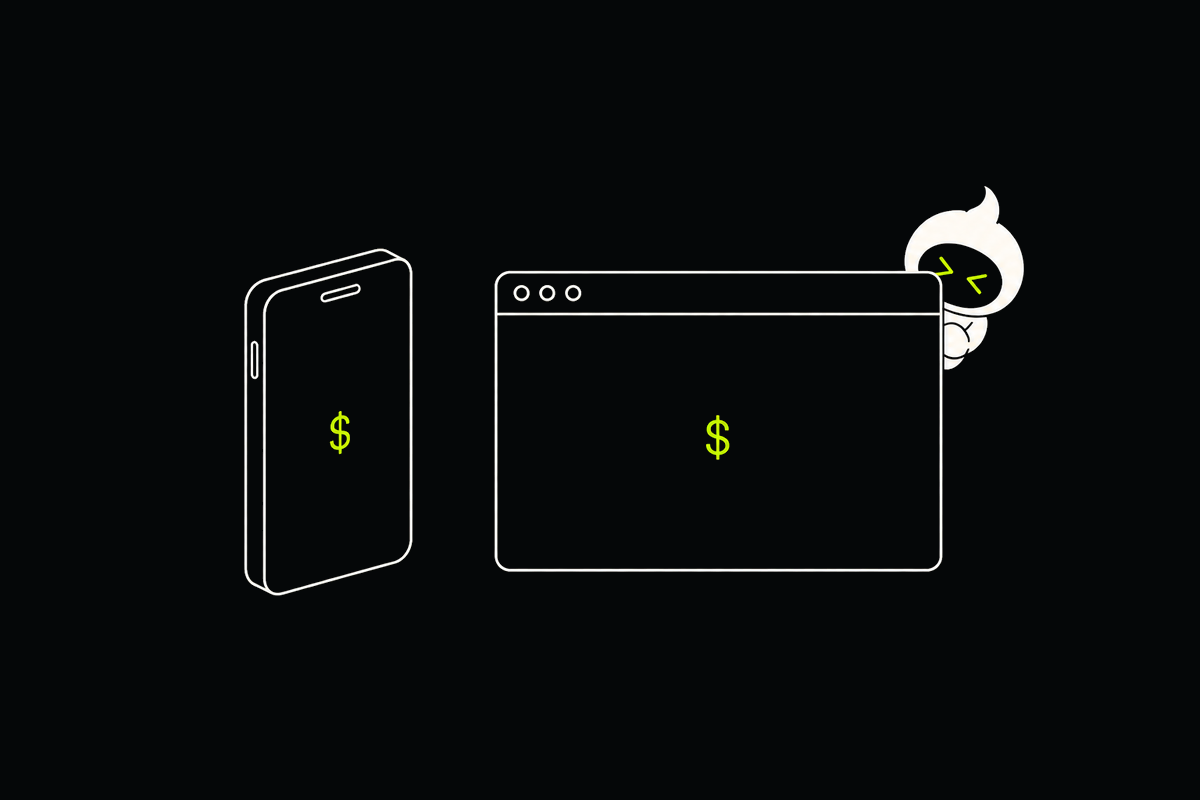
Use a terminal from your browser on a laptop or phone.
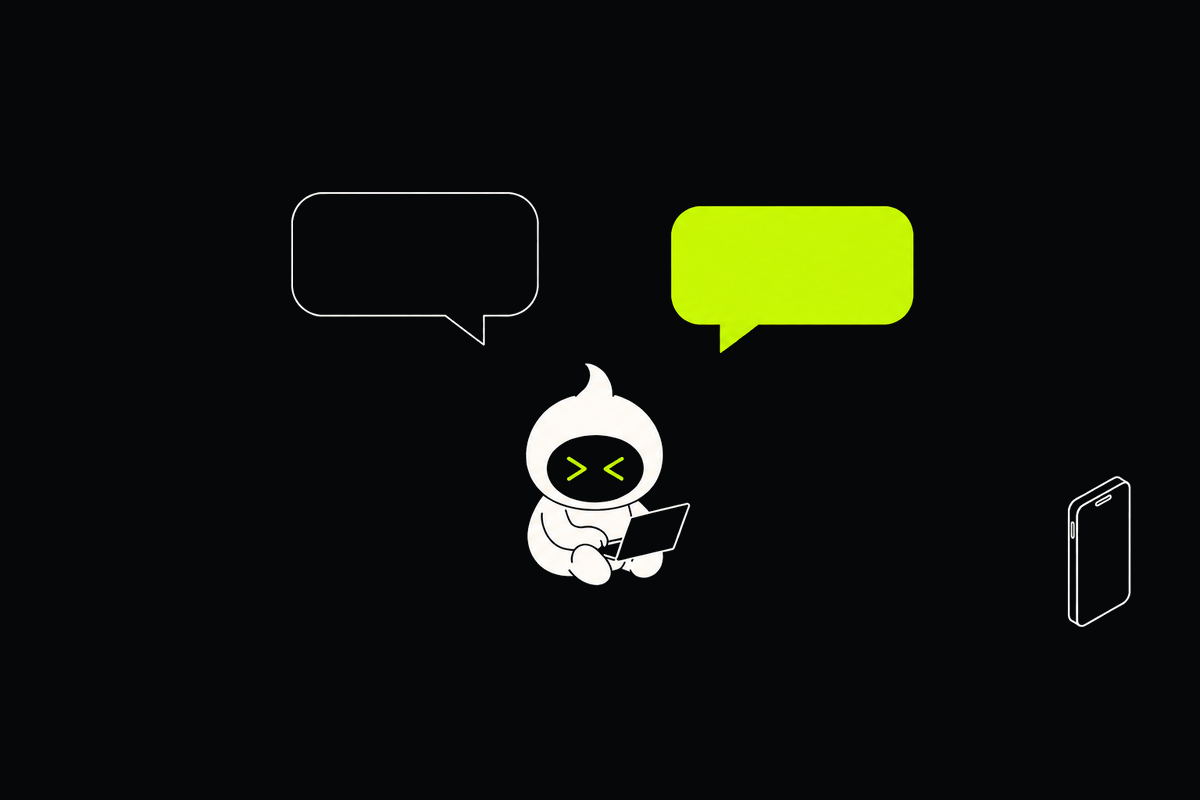
Talk with supported coding agents wherever you are.
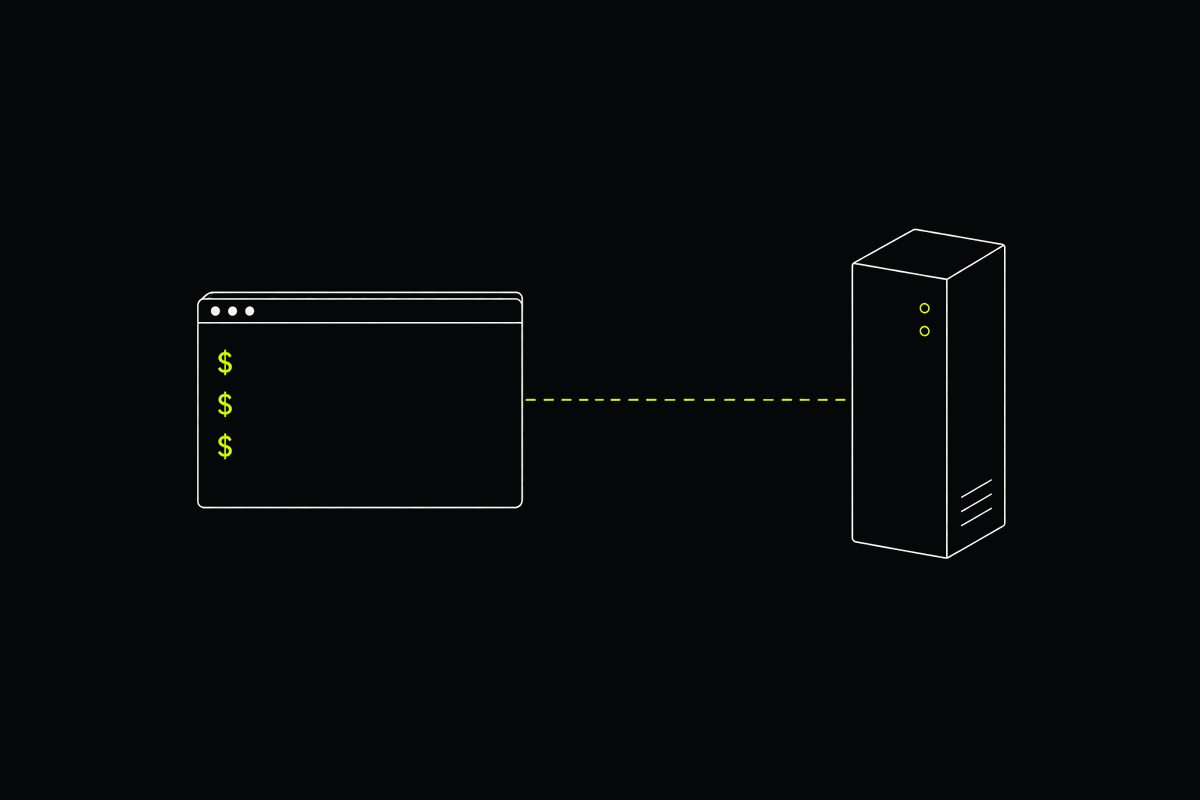
Create workspaces and manage tasks from your terminal or CI.
Connect with VS Code or Cursor. Use scp, rsync and port forwarding.
Choose which services each project can use.
Give every project the same approved guidance.
Keep client projects separate.
Control access to connected coding tools.